
-
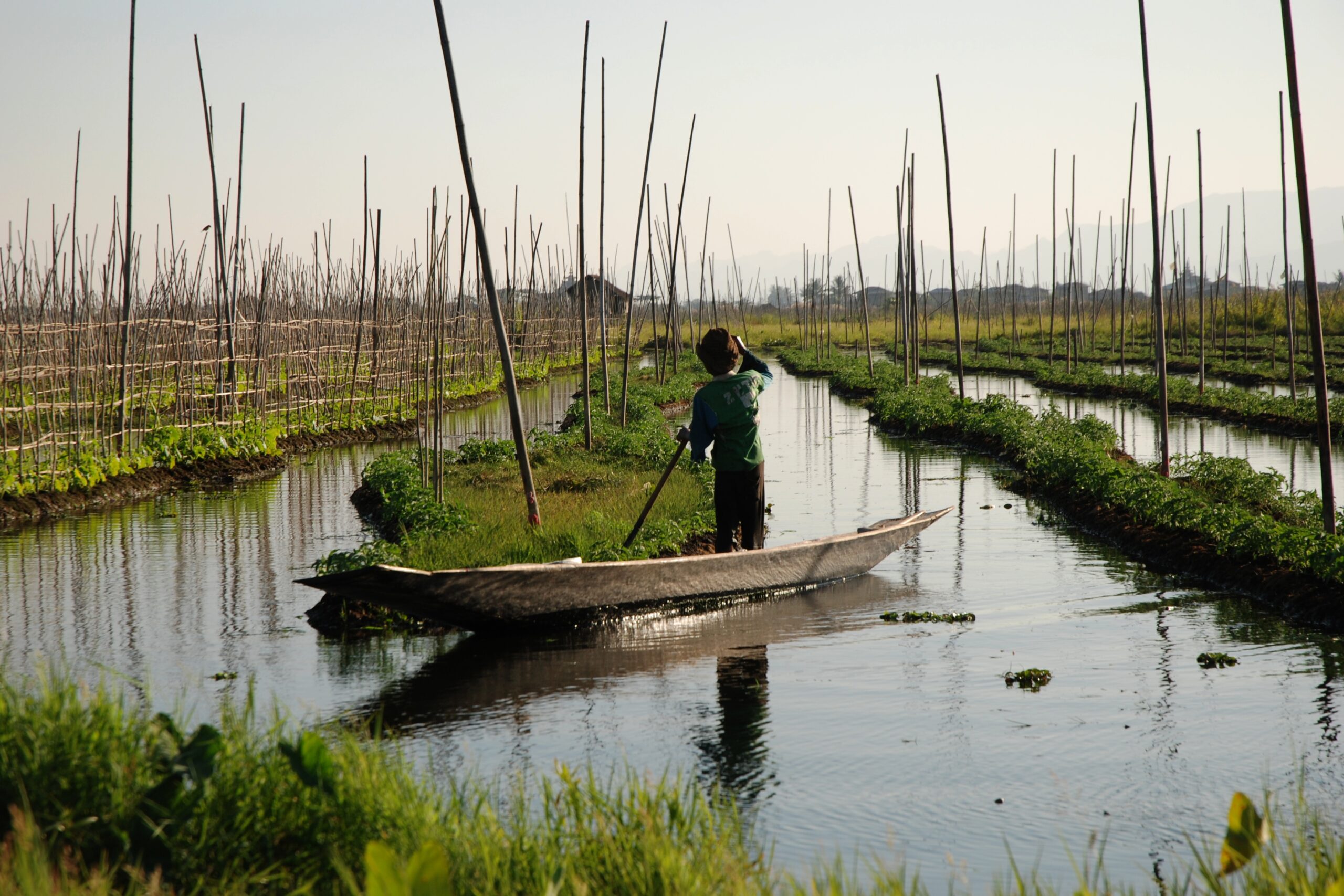
🌾Protecting Harvests Part 5 – Floating Gardens ⛵🌾
🌾Protecting Harvests Part 5 – Floating Gardens ⛵🌾 So far, all of the previous solutions in the “Protecting Harvests” category dealt with adaptation to water scarcity. But what if too little water is not the issue but rather too much water? In regions where intense flooding regularly wipe out entire harvests, adaptation will become inevitable…
-
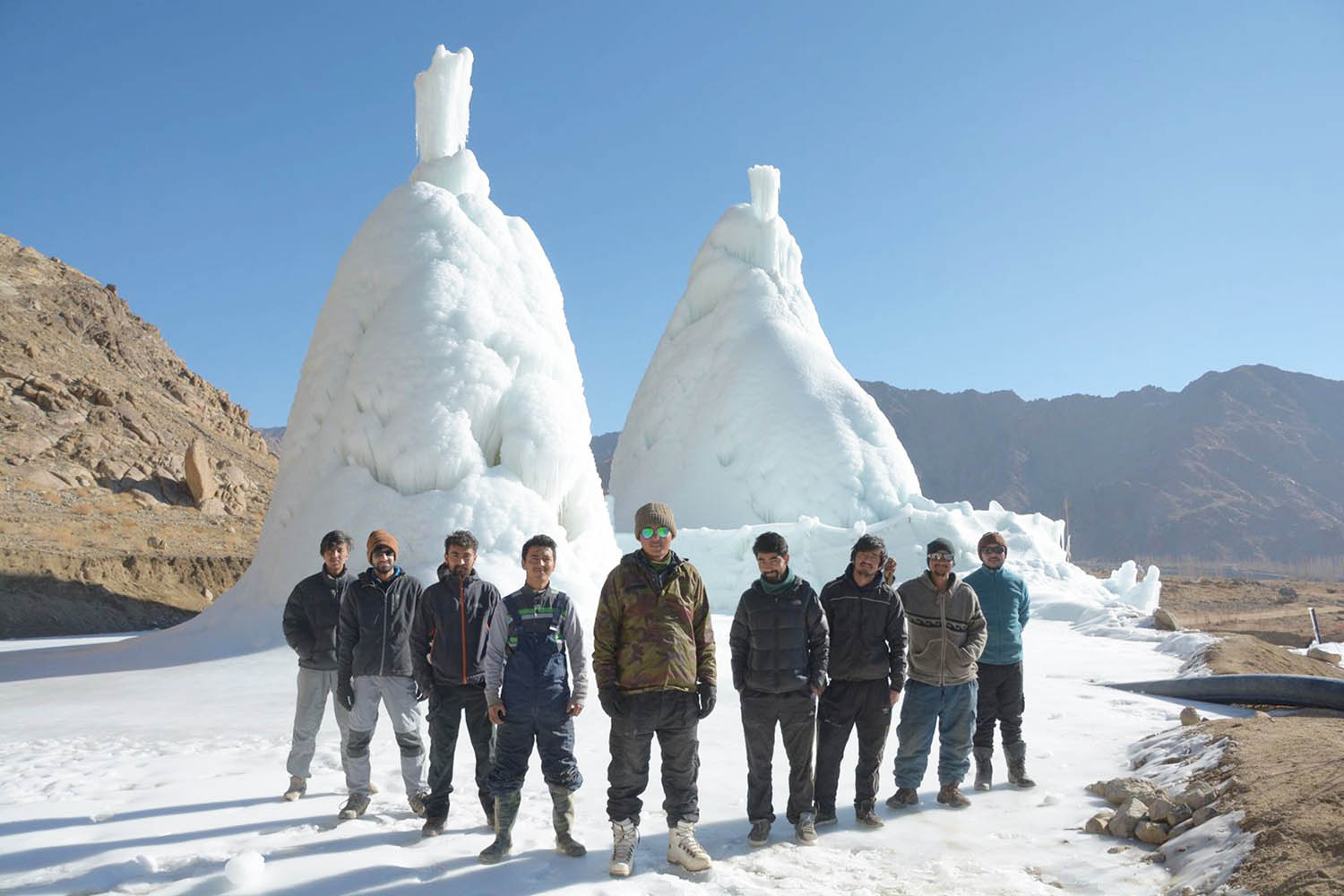
Conquering Droughts Part 3: Artificial Glaciers 🧊🏔
Conquering Droughts Part 3: Artificial Glaciers 🧊🏔 All over the world, humans depend on meltwater in summer to sustain agriculture or ensure river transportation. For instance, the Rhine in central Europe consisted of 20% glacier meltwater during the extreme drought in 2003 [1]. Climate change diminishes meltwater quantities in summer. With warmer winters, less precipitation…
-

🚀 New Miniseries launched on EGU Hydrological Science Blog 🚀
🚀 Today marks the launch of my new miniseries on DIY in Geosciences on the European Geosciences Union (EGU) Hydrological Science Blog! 🌍🛠️ As geoscientists, we rely on diverse data—from soil moisture to water levels, snow height, radiation, precipitation, and beyond. Yet, obtaining this data can be a challenge due to the unavailability or high…
-

EGU2023 OSPP Award
I am happy to share that my Poster & Presentation at EGU23 are awarded with an “Outstanding Student and PhD candidate Presentation” award 🖼🏆 Thanks to all the people who came to my poster and sparked interesting and insightful discussions! If you want to check out my poster on “Detecting the occurrence of preferential flow…
-

EGU24 Session on failed models and negative results
“Trial and error” is one of the fundamental principles of science, yet the errors are seldom published. Failed experiments, including negative results, statistically insignificant data, and imperfect modelling, are all natural parts of the scientific journey. However, publication bias, the tendency to only publish positive outcomes, leaves out a significant part of the story. At…
-
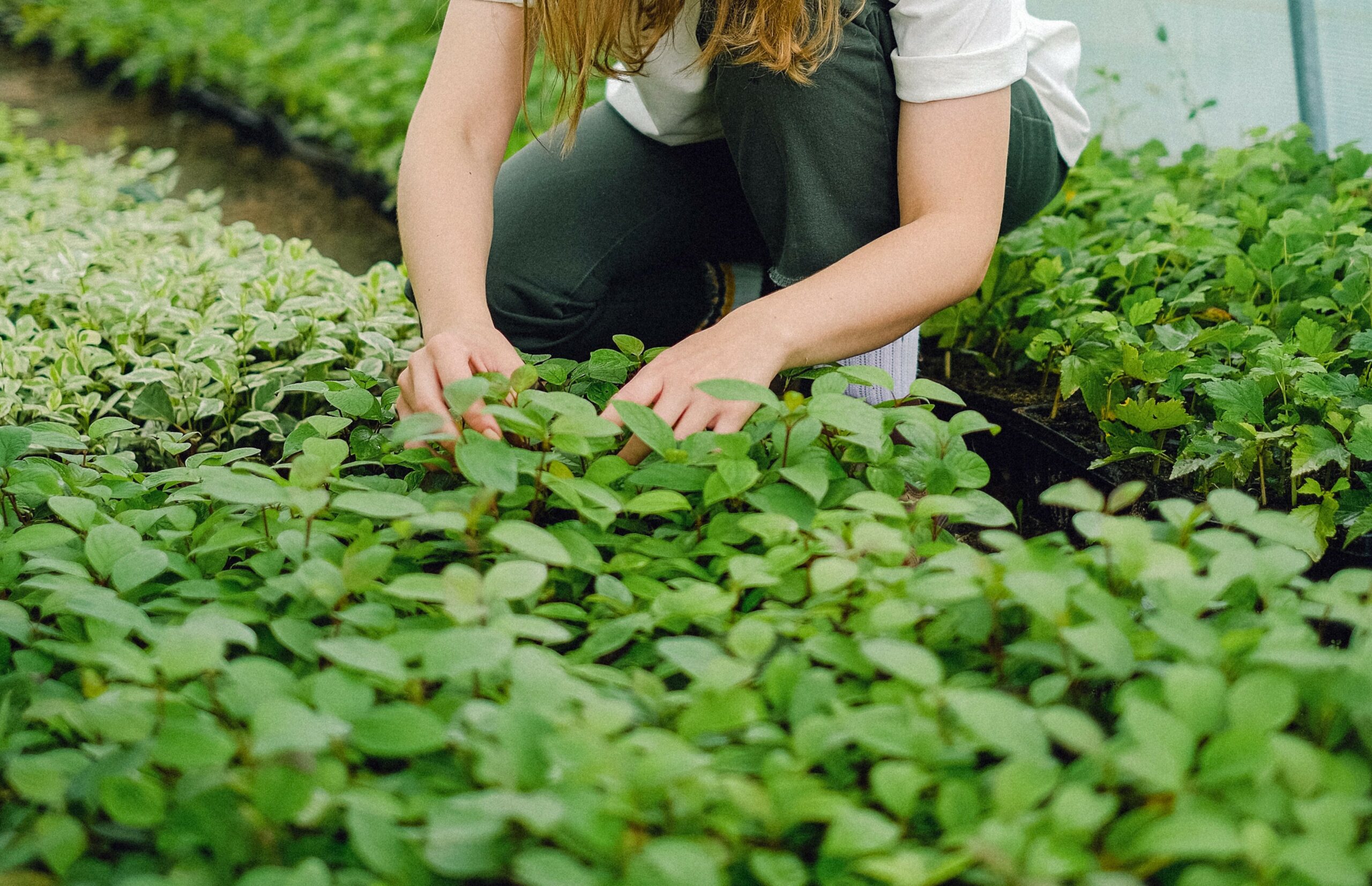
🌾Protecting Harvests Part 4 – Breeding Drought Resistant Crops 🌽🌾
Droughts threaten our food production! In the last decade, crop failure due to drought lead to losses of 32 Billion USD in low income countries alone (FAO, https://www.fao.org/resources/digital-reports/disasters-in-agriculture/en/). Climate change will exercabate this crisis, since droughts will become more frequent. We need to adapt farming to ensure harvests and protect global food supply. Besides using…
-
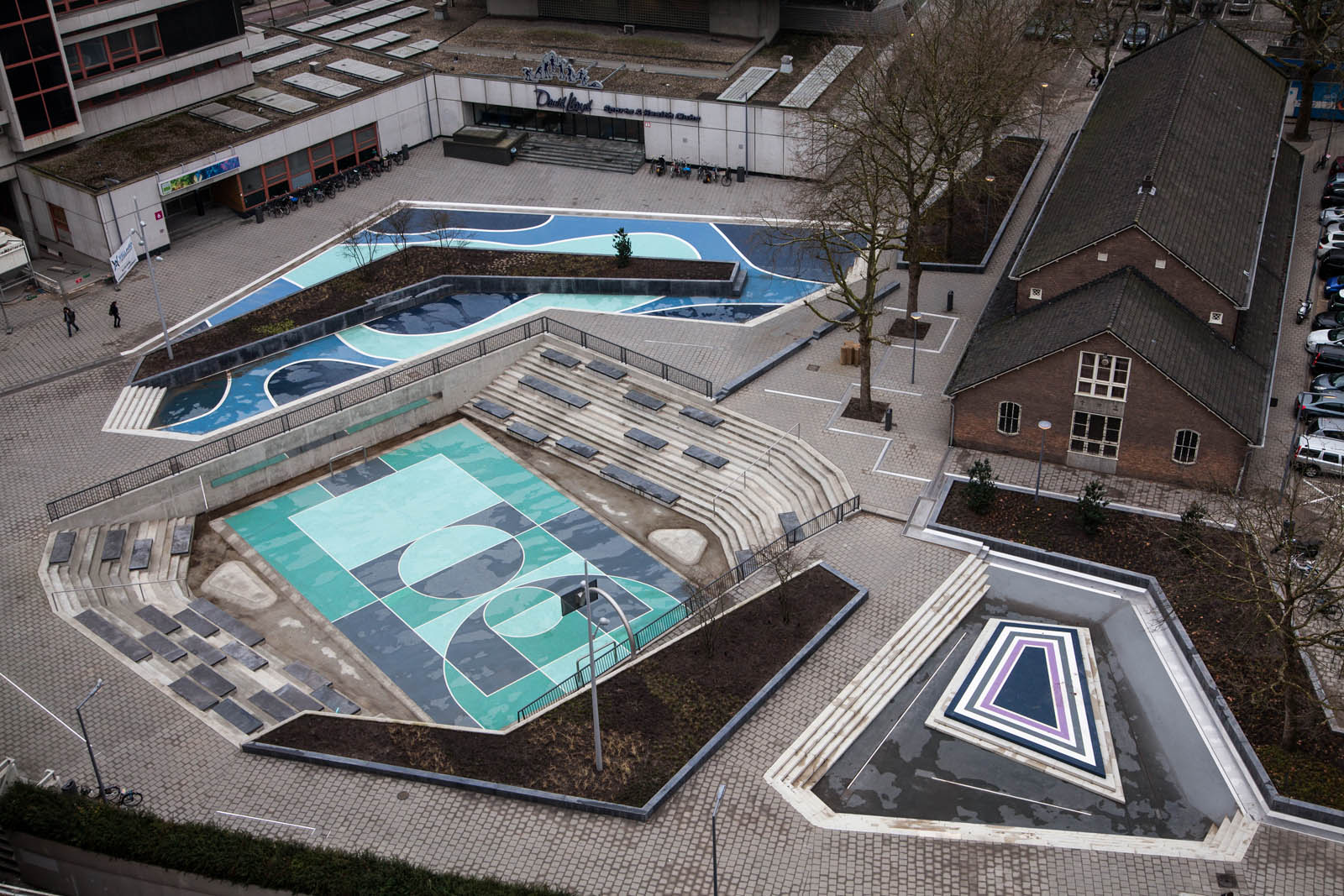
🌊Flood Resilience Part 3: Water Squares 💧🏙
Watersquares help us adapt our citys to climate change impacts. Climate change causes stronger and more frequent heavy rain. These rainfalls can cause severe floodings in sealed urban areas. Therefore, retaining stormwater in cities becomes increasingly necessary. However, space is scarce and there are already conflicts of use in public city squares. An innovative method…
-

EUCOR Trinational Summer School
Complex societal challenges like the adaptation to climate change can’t be solved by one scientific discipline alone! Last week I participated in the trinational EUCOR Summer School on transdisciplinary research for climate adaptation. With experts from multiple countries and diverse research areas, us participants got a multitude of new perspectives and tools for facilitating change.…
-
🆘 Navigating Risks & Disasters: Public Aid ⛑👥
Climate Impacts and society Within the last month we have seen a variety of natural disasters, often concering heavy rainfall events and flooding. With climate warming continuously escalating, the probability for such disasters also increases. While the techniques presented in this newsletter are tremendously usefull in the mitigation and adaptation to some of the risks…
-

WATSON short term scientific mission to Uni Bern
Thanks to a Watson Short Term Scientific Mission grant I was able to visit the institute of hydrology in the scenic city of Bern. During my stay at the group of Prof. Bettina Schaefli, Dr. Natalie Ceperley and I develop a sampling framework to assess preferential flow of meltwater and/or rain on snow. Better insights…
-

🌾Protecting Harvests Part 3 – Water Efficient Irrigation 🚜💧
Its summer in the northern hemisphere with many places in central Europe already having metrological droughts. Low rainfall and high temperatures put agriculture under stress with plants wilting and harvests shrinking. Climate change, exacerbates this issue, as the higher summer temperatures also increase evaporation, further lowering plant available water. To counteract plant loss, farmers go…
-

18th PhD workshop on hydrological modeling
Last week, myself and other PhD students of the hydrological professorships of the University of Freiburg organized the 18th workshop on hydrological modeling. At Feldberg, 16 participants from different universities in Germany and neighboring countries presented their current projects and discussed them among each other. The topics covered a broad field of hydrological modeling: pollutants…