Skip to content
Jonas Pyschik
Ph.D. Student in Hydrology
Home
WaterWednesday
CV
Publications
Blog
Home
WaterWednesday
CV
Publications
Blog
PhD Project
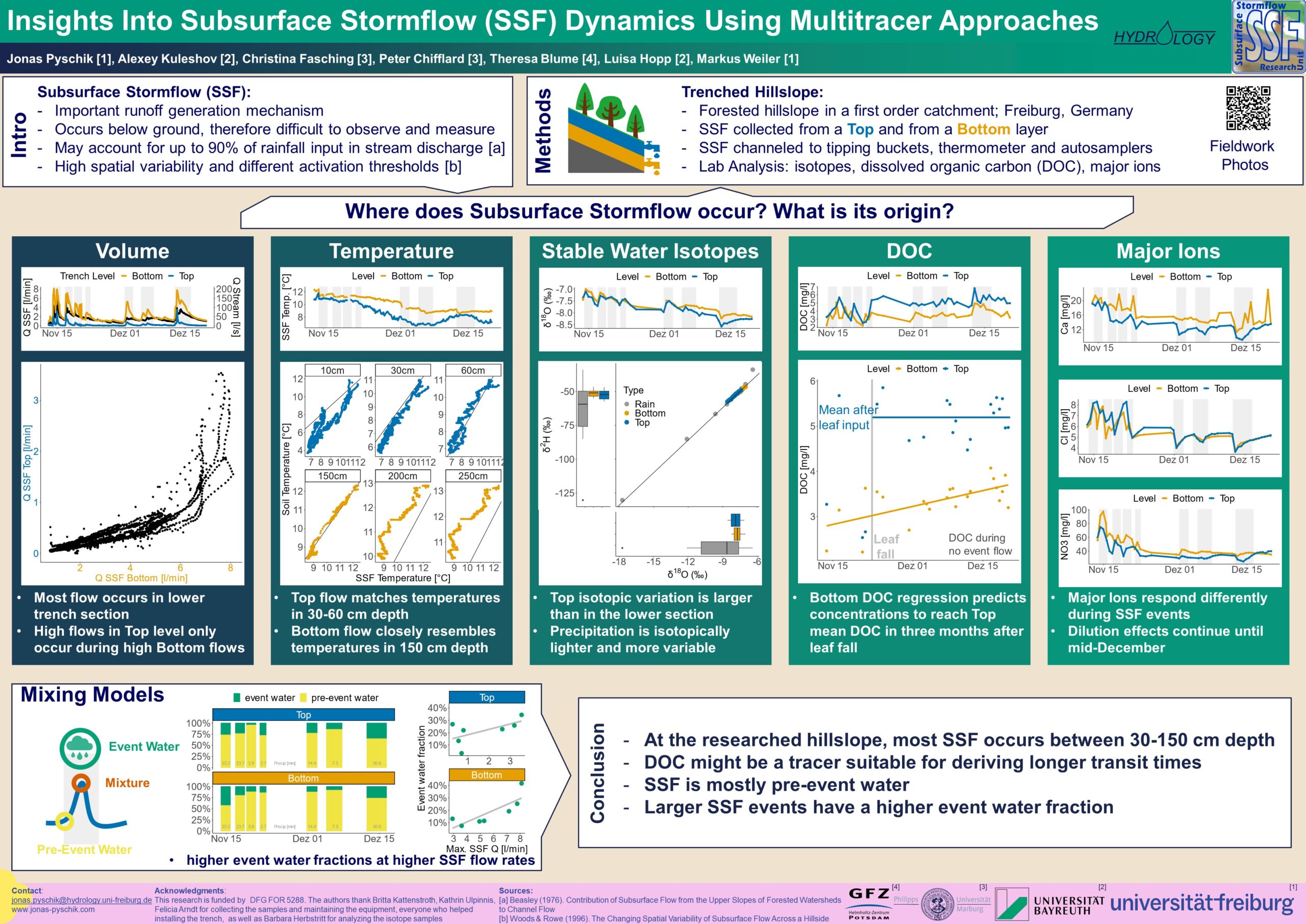
EGU 25 Poster & Sessions
by
Jonas Py
on
Apr 23
Read more
PhD Project
First research paper published!
by
Jonas Py
on
Jan 24
Read more
PhD Project
EGU Session & Blogpost on “The value of failure: Learning from what didn’t work”
by
Jonas Py
on
Dec 12
Read more
PhD Project
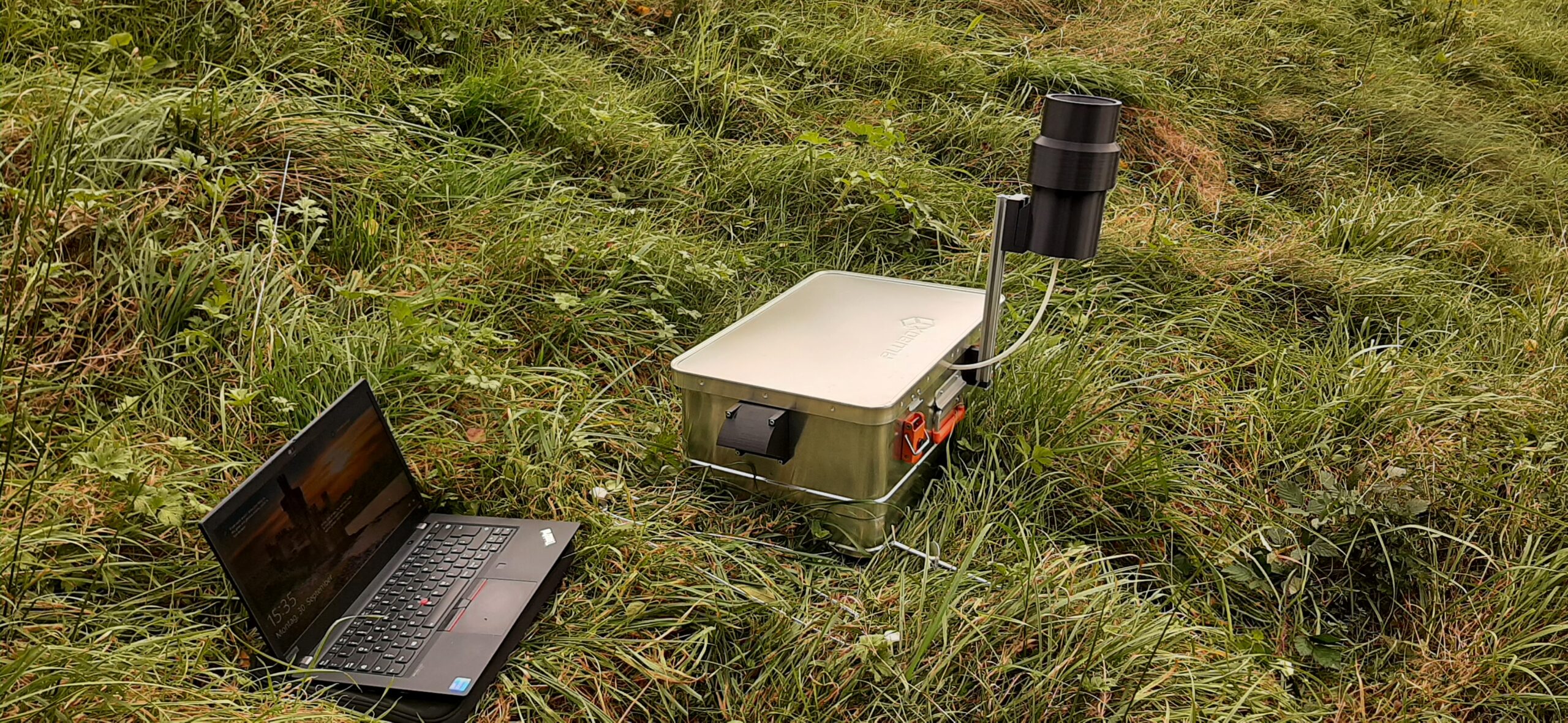
PhD Update: New Autosampler Setup in the Field!
by
Jonas Py
on
Oct 28
Read more
PhD Project
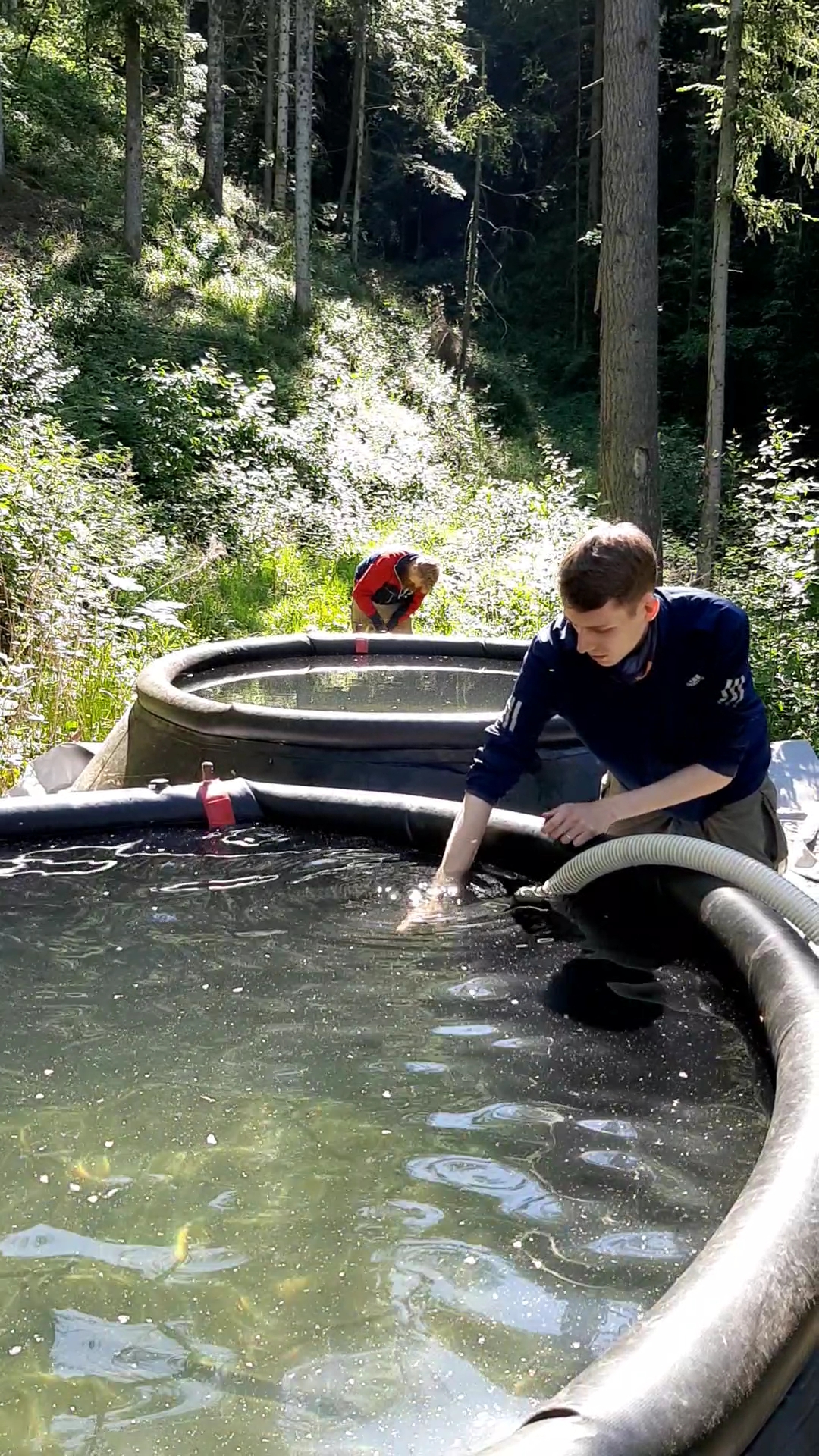
Sprinkling Experiments
by
Jonas Py
on
Oct 2
Read more
DIY
PhD Project
New Guest Post on EGU Blog: DIY in Geoscience Miniseries, Part 3 is Now Live!
by
Jonas Py
on
May 10
Read more
PhD Project
EGU24 Poster Download
by
Jonas Py
on
Apr 8
Read more
PhD Project
Part 2 of my DIY Miniseries is online
by
Jonas Py
on
Feb 1
Read more
WaterWednesday
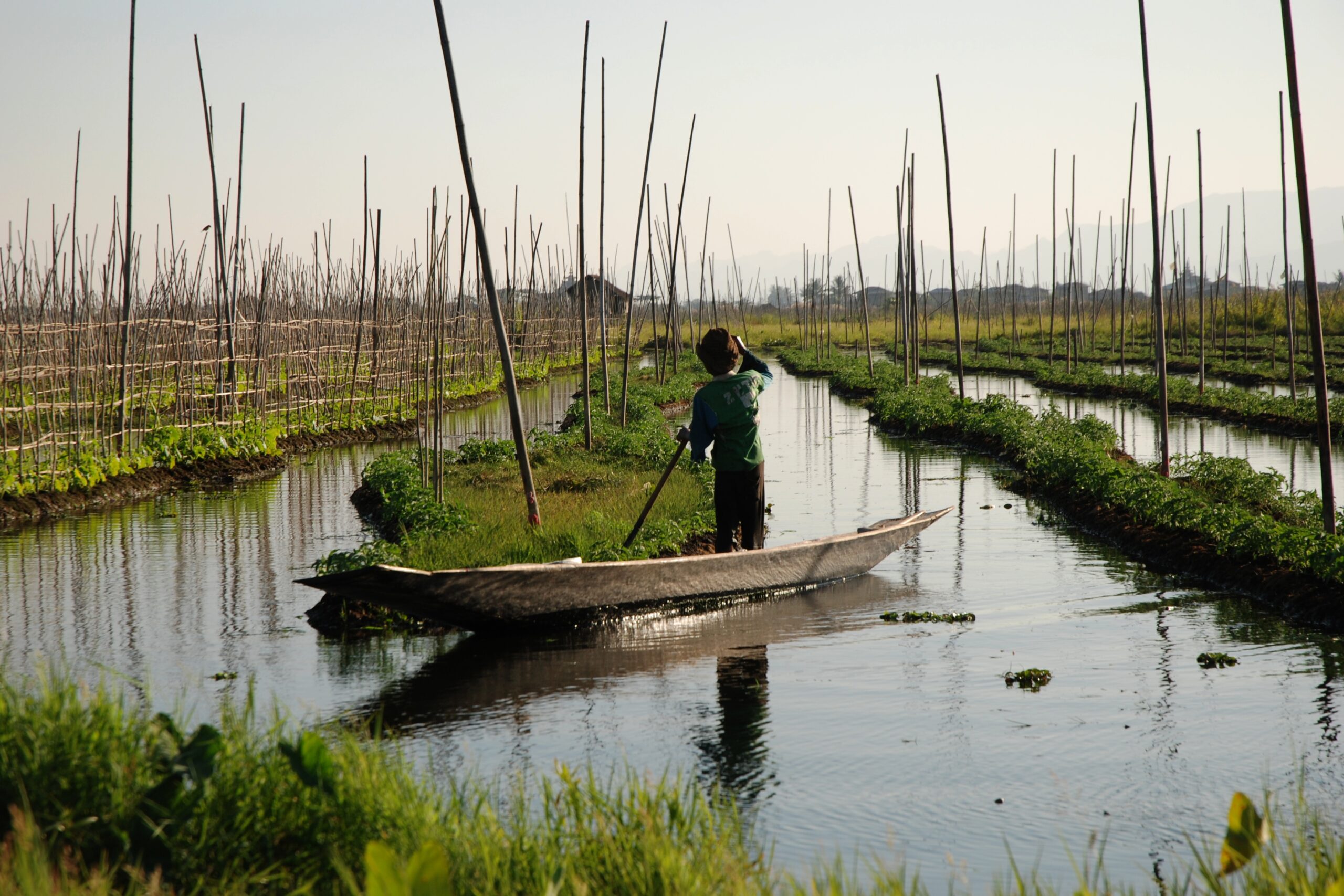
🌾Protecting Harvests Part 5 – Floating Gardens ⛵🌾
by
Jonas Py
on
Jan 16
Read more
WaterWednesday
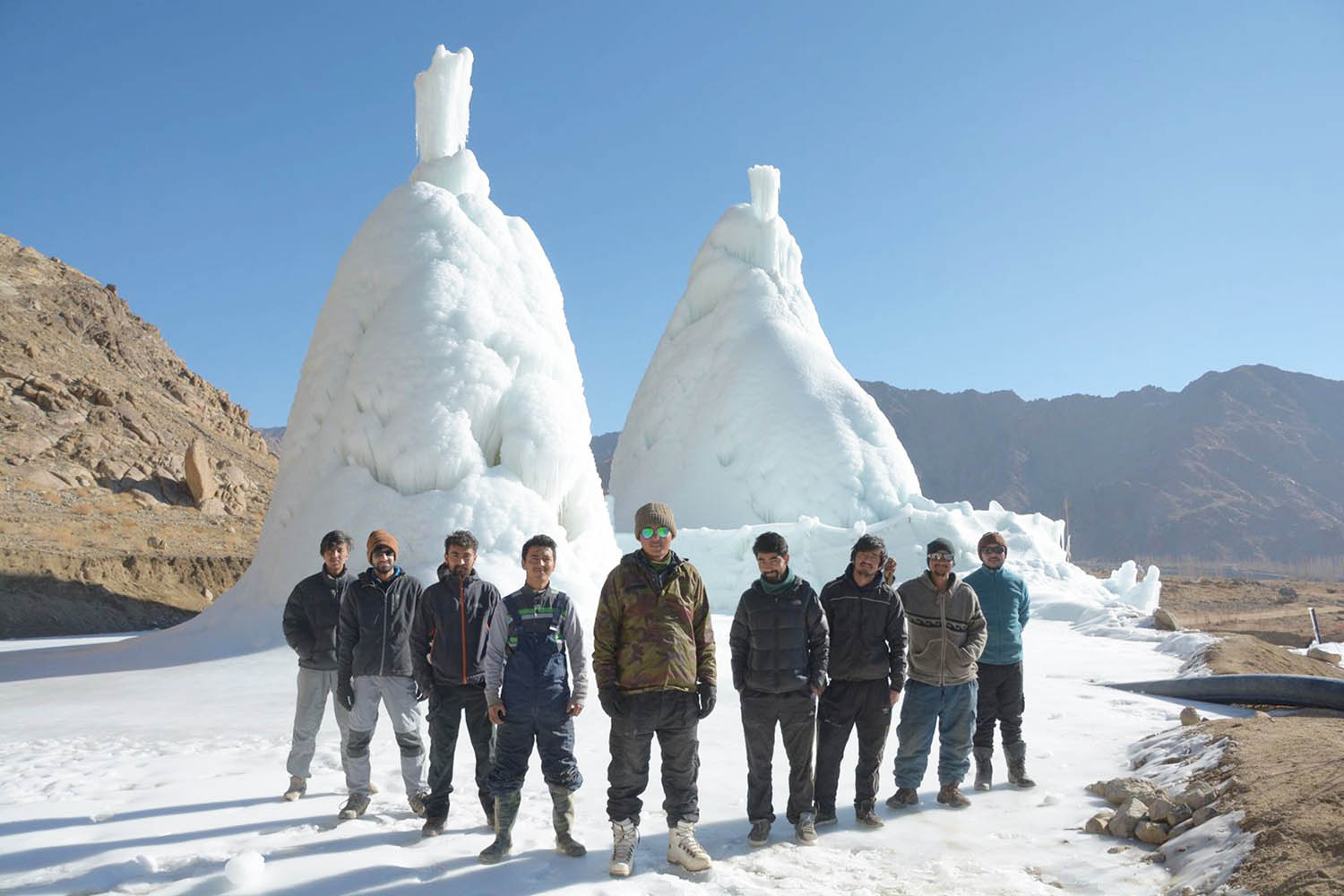
Conquering Droughts Part 3: Artificial Glaciers 🧊🏔
by
Jonas Py
on
Dec 6
Read more
Recent Posts
EGU 25 Poster & Sessions
First research paper published!
EGU Session & Blogpost on “The value of failure: Learning from what didn’t work”
PhD Update: New Autosampler Setup in the Field!
Sprinkling Experiments
Archives
April 2025
January 2025
December 2024
October 2024
May 2024
April 2024
February 2024
January 2024
December 2023
November 2023
October 2023
September 2023
August 2023
June 2023
May 2023
April 2023
March 2023
February 2023
January 2023
September 2022
July 2022
June 2022
May 2022