
-
🆘 Navigating Risks & Disasters: Public Aid ⛑👥
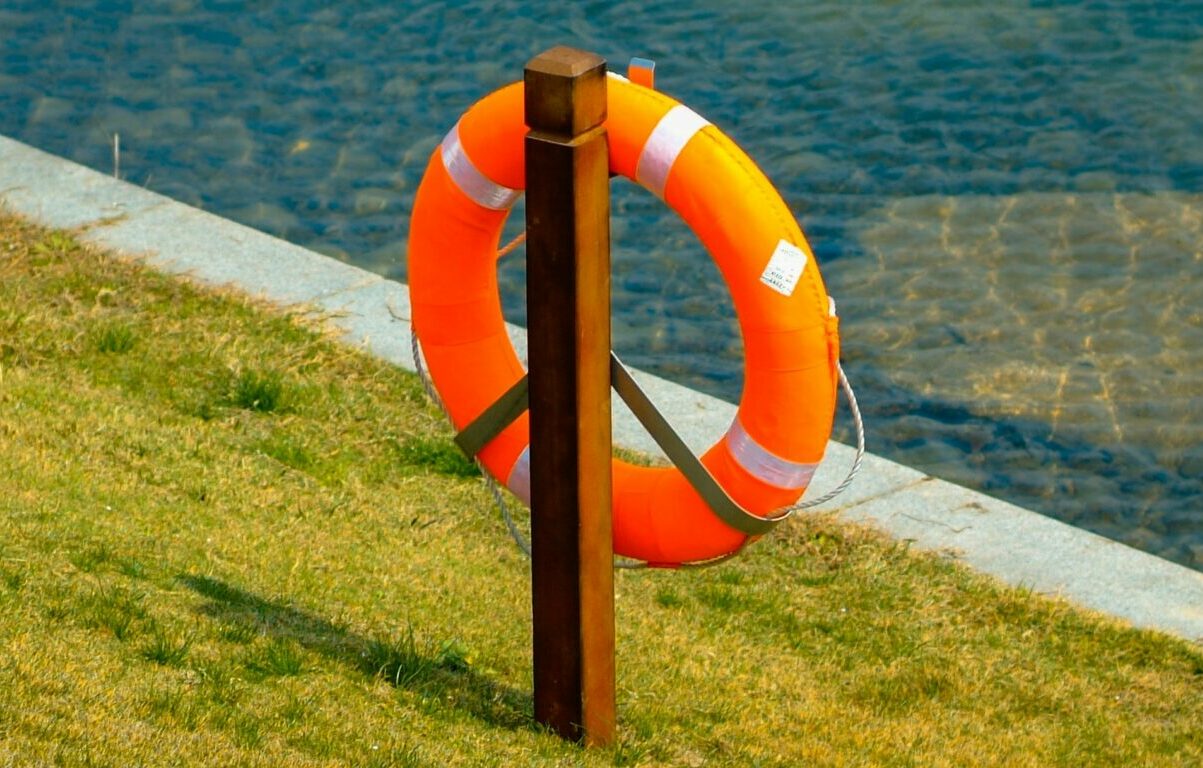
Climate Impacts and society Within the last month we have seen a variety of natural disasters, often concering heavy rainfall events and flooding. With climate warming continuously escalating, the probability for such disasters also increases. While the techniques presented in this newsletter are tremendously usefull in the mitigation and adaptation to some of the risks…
-
WATSON short term scientific mission to Uni Bern

Thanks to a Watson Short Term Scientific Mission grant I was able to visit the institute of hydrology in the scenic city of Bern. During my stay at the group of Prof. Bettina Schaefli, Dr. Natalie Ceperley and I develop a sampling framework to assess preferential flow of meltwater and/or rain on snow. Better insights…
-
🌾Protecting Harvests Part 3 – Water Efficient Irrigation 🚜💧

Its summer in the northern hemisphere with many places in central Europe already having metrological droughts. Low rainfall and high temperatures put agriculture under stress with plants wilting and harvests shrinking. Climate change, exacerbates this issue, as the higher summer temperatures also increase evaporation, further lowering plant available water. To counteract plant loss, farmers go…
-
18th PhD workshop on hydrological modeling

Last week, myself and other PhD students of the hydrological professorships of the University of Freiburg organized the 18th workshop on hydrological modeling. At Feldberg, 16 participants from different universities in Germany and neighboring countries presented their current projects and discussed them among each other. The topics covered a broad field of hydrological modeling: pollutants…
-
🌾Protecting Harvests Part 2 – Agrivoltaics 🌤🔌🌽
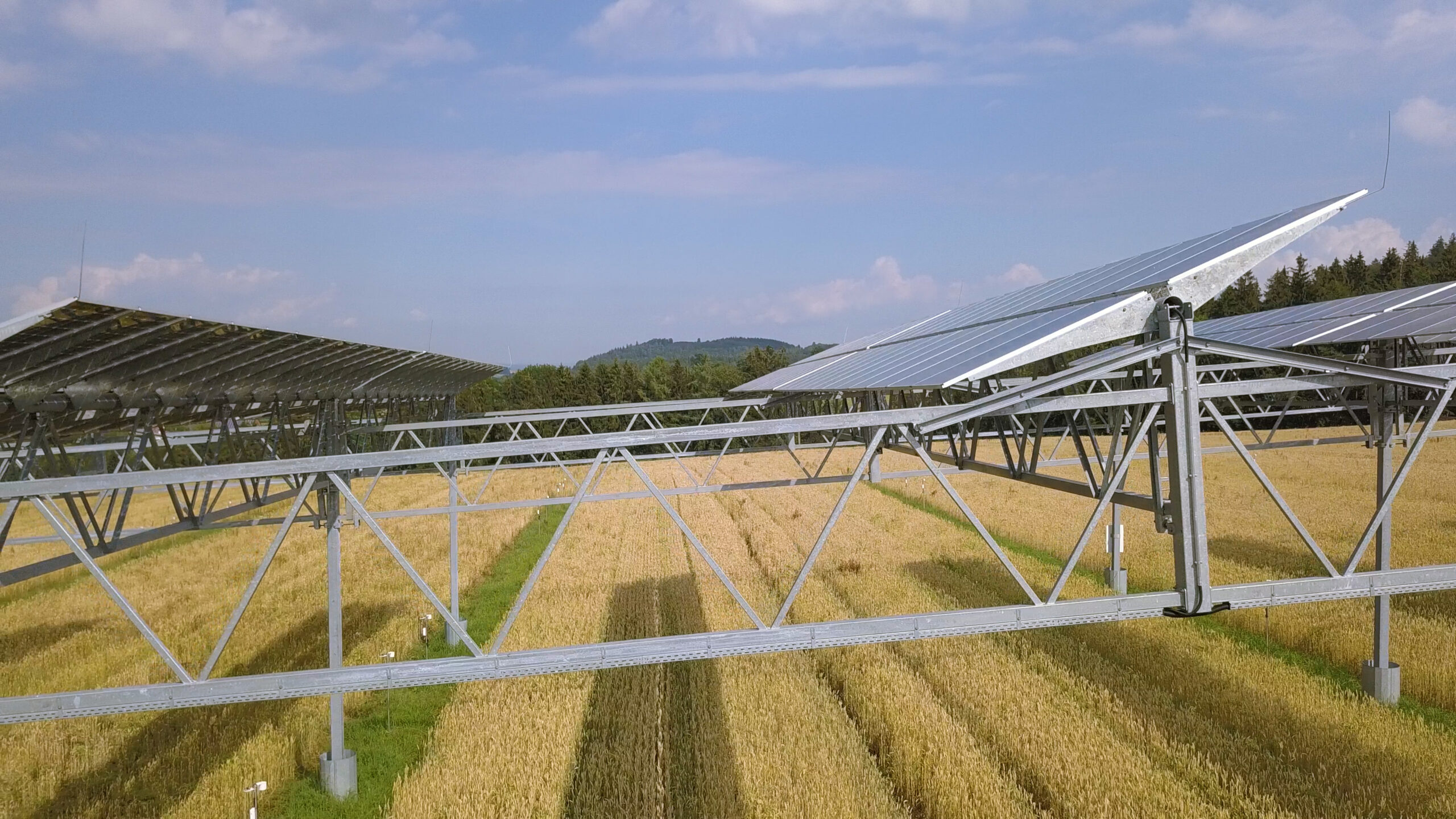
This issue of WaterWednesday is mostly written by RICHMOND KULEAPE. Richmond is a dedicated researcher currently working at the Fraunhofer-Institut für Solare Energiesysteme ISE since March 2023. Prior to this, he served as a Visiting Doctoral Researcher at the Karlsruher Institut für Technologie (KIT) starting from September 2022. Alongside his academic pursuits, Richmond is actively…
-
🚰 Ensuring Save Water Supply Part 1 – Wastewater Treatment Plant Upgrades ♻💧

♻ Wastewater Treatment Plants and Climate Change In a world where water gets more and more scarce, we must protect whats still available at all cost. Untreated wastewater discharge threatens river ecology and the water supply of downstream communities. While riverwater is not directly used for drinking, the water is often treated through river bank…
-
🌾Protecting Harvests Part 1 – Aquaponics 🐟🥬
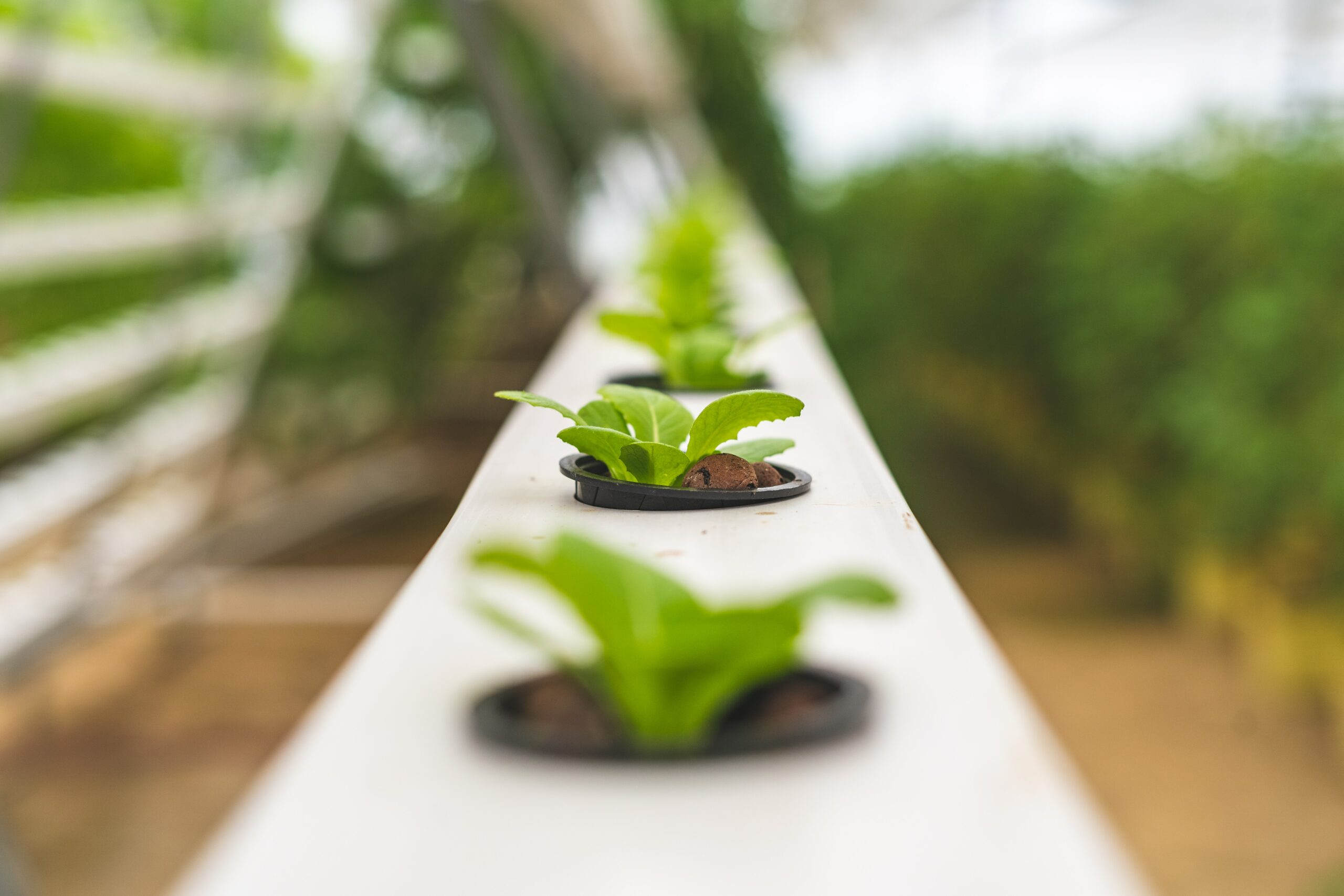
🌾🌡 Climate Change & Agriculture With climate change leading to more hydrologic droughts (see in this WaterWednesday) and increased surface drying, agriculture becomes more and more threatened. Some crops cant go long without water, thus resulting in crop losses, endangering food security. While irrigation can help, groundwater, which is often used to water plants during dry…
-
🌊Flood Resilience Part 2: Sponge Cities 🧽🏙

🛣🏜 Cities, aka sealed asphalt deserts Our cities are currently build to drain rainwater FAST! With surface sealing by asphalted streets and concrete houses, rainwater is mostly directly converted to runoff. This runoff is then channeled into sewers, which (in case of a mixed sewer) should guide it to a wastewater treatment plant. With increases…
-
🌊Flood Resilience Part 1: River Restoration
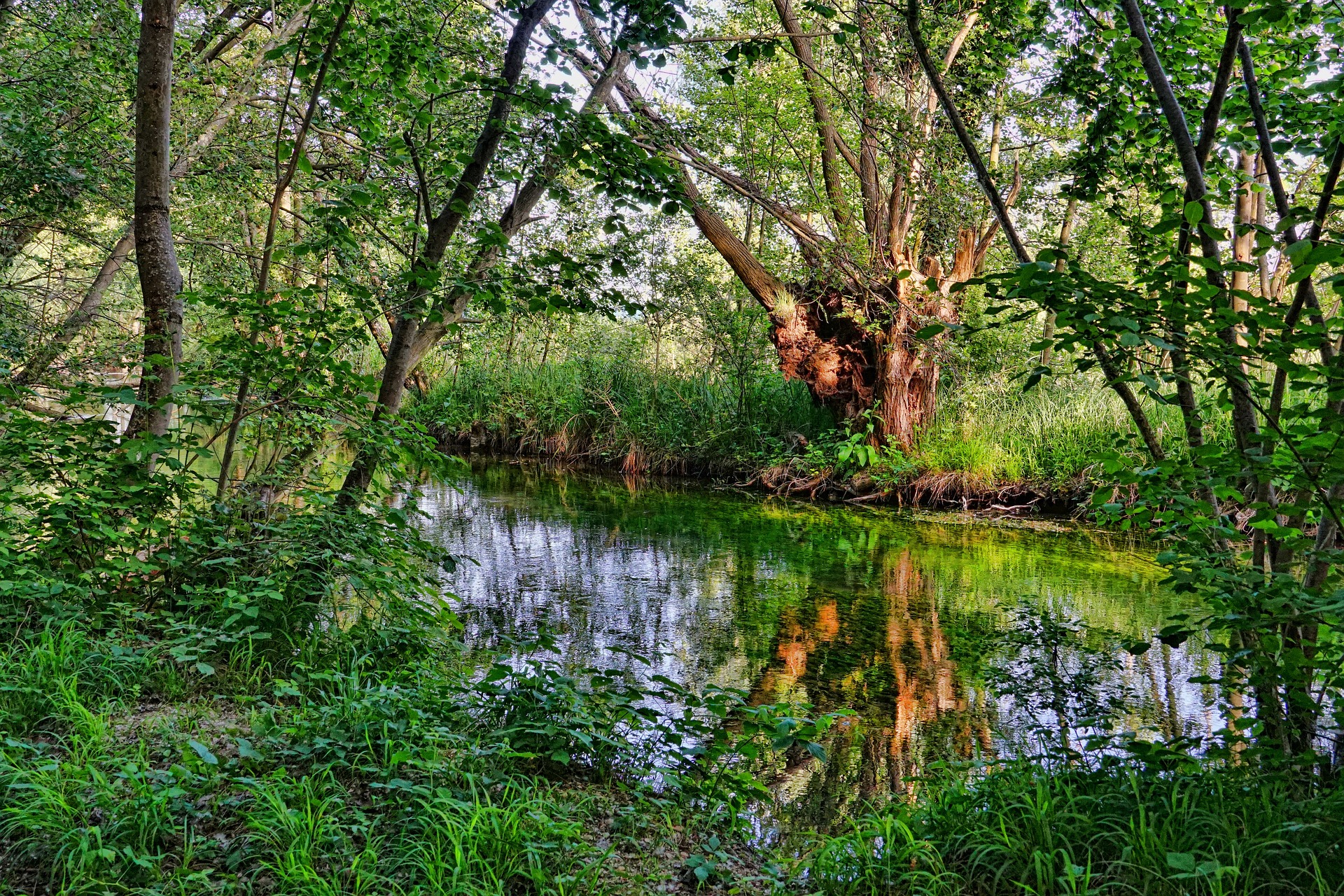
Climate change and floods According to climate projections, as the climate crisis worsens, the global hydrologic cycle will undergo significant changes, including increased flooding risks. While arid regions will become even drier, wet areas will become even wetter. In mid-latitudes, such as central Europe and continental USA, the overall annual precipitation is expected to remain…
-
Isotope Hydrology Course

Last week I took part in the “Isotope Hydrology” course from the University of Saskatchewan, Canada. While it gave me an artificial jetlag by attending the course virtually from Germany, it was definitely worth the sleep deprevation. The course featured outstanding instructors like Jeff McDonnell, Ciaran Harman and Scott Jasechko to name just a few.…