
-
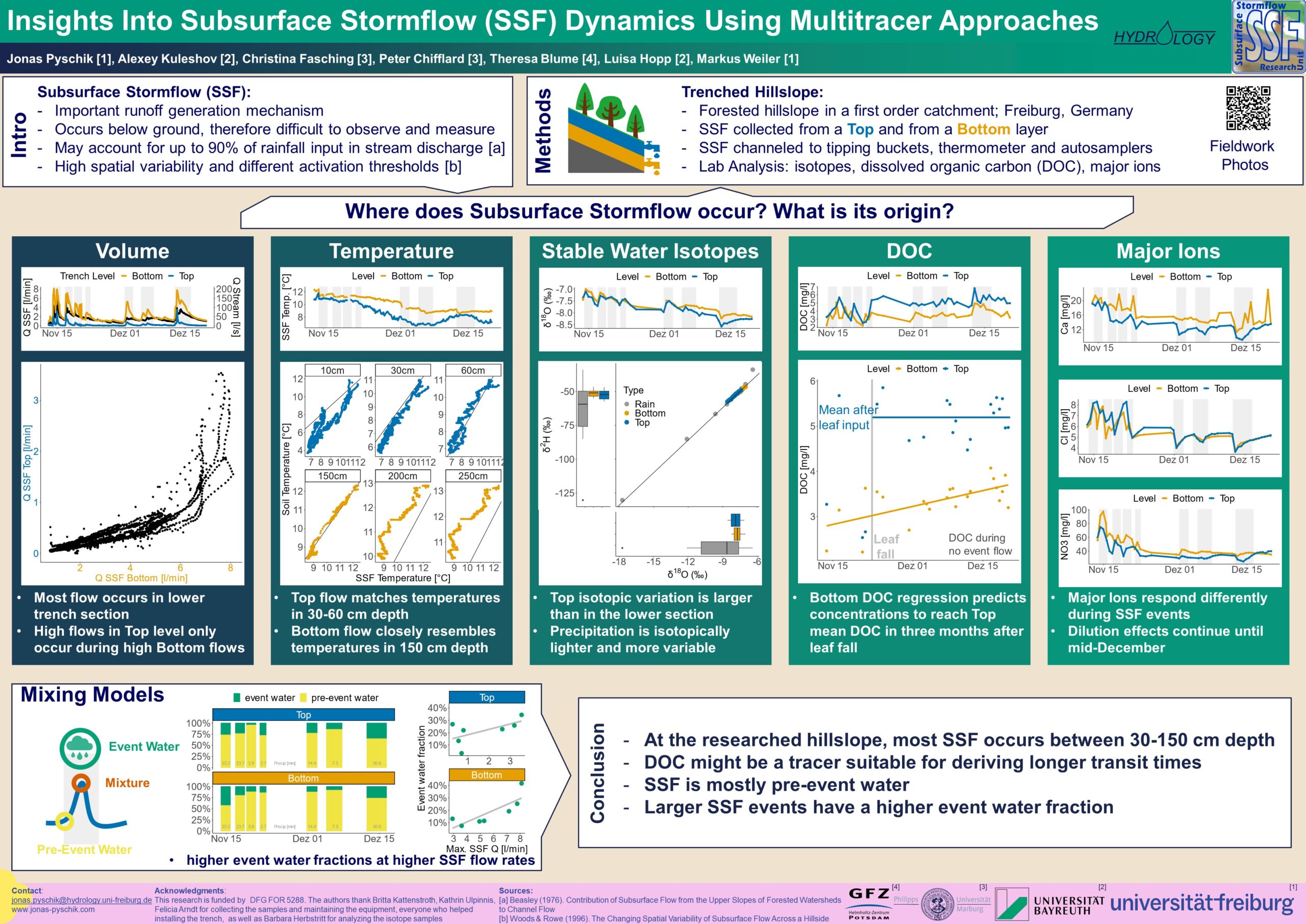
EGU24 Poster Download
-
Part 2 of my DIY Miniseries is online

Want to build your own measurement devices for your next geoscience endeavor? Check out my second post in the DIY geoscience series on the European Geosciences Union (EGU) hydrological science Blog! It will introduce you to some of the most basic components which you can use in your upcoming DIY-Projects. https://blogs.egu.eu/divisions/hs/2024/02/01/do-it-yourself-diy-in-geoscience-miniseries-part-2
-
🌾Protecting Harvests Part 5 – Floating Gardens ⛵🌾
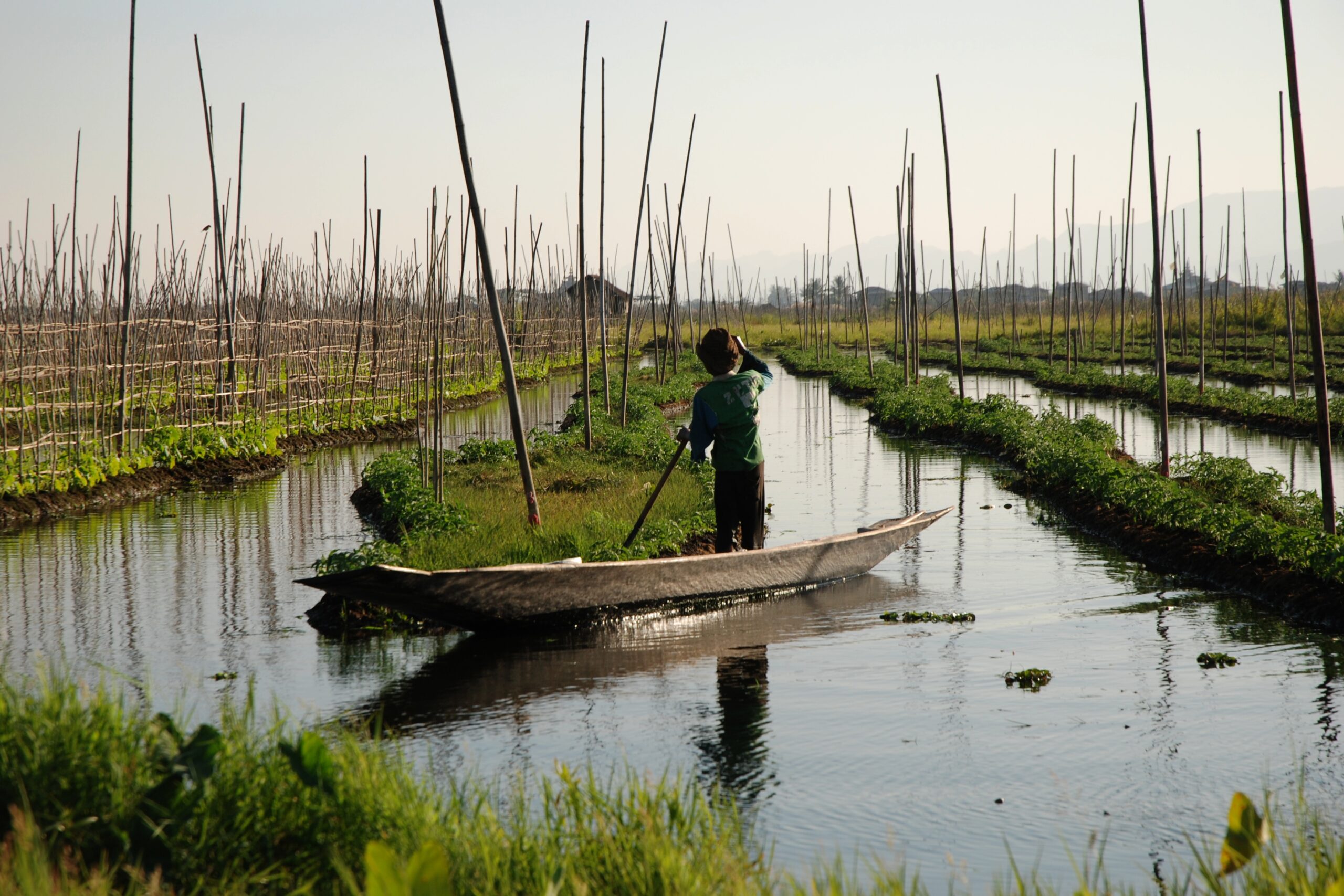
🌾Protecting Harvests Part 5 – Floating Gardens ⛵🌾 So far, all of the previous solutions in the “Protecting Harvests” category dealt with adaptation to water scarcity. But what if too little water is not the issue but rather too much water? In regions where intense flooding regularly wipe out entire harvests, adaptation will become inevitable…
-
Conquering Droughts Part 3: Artificial Glaciers 🧊🏔
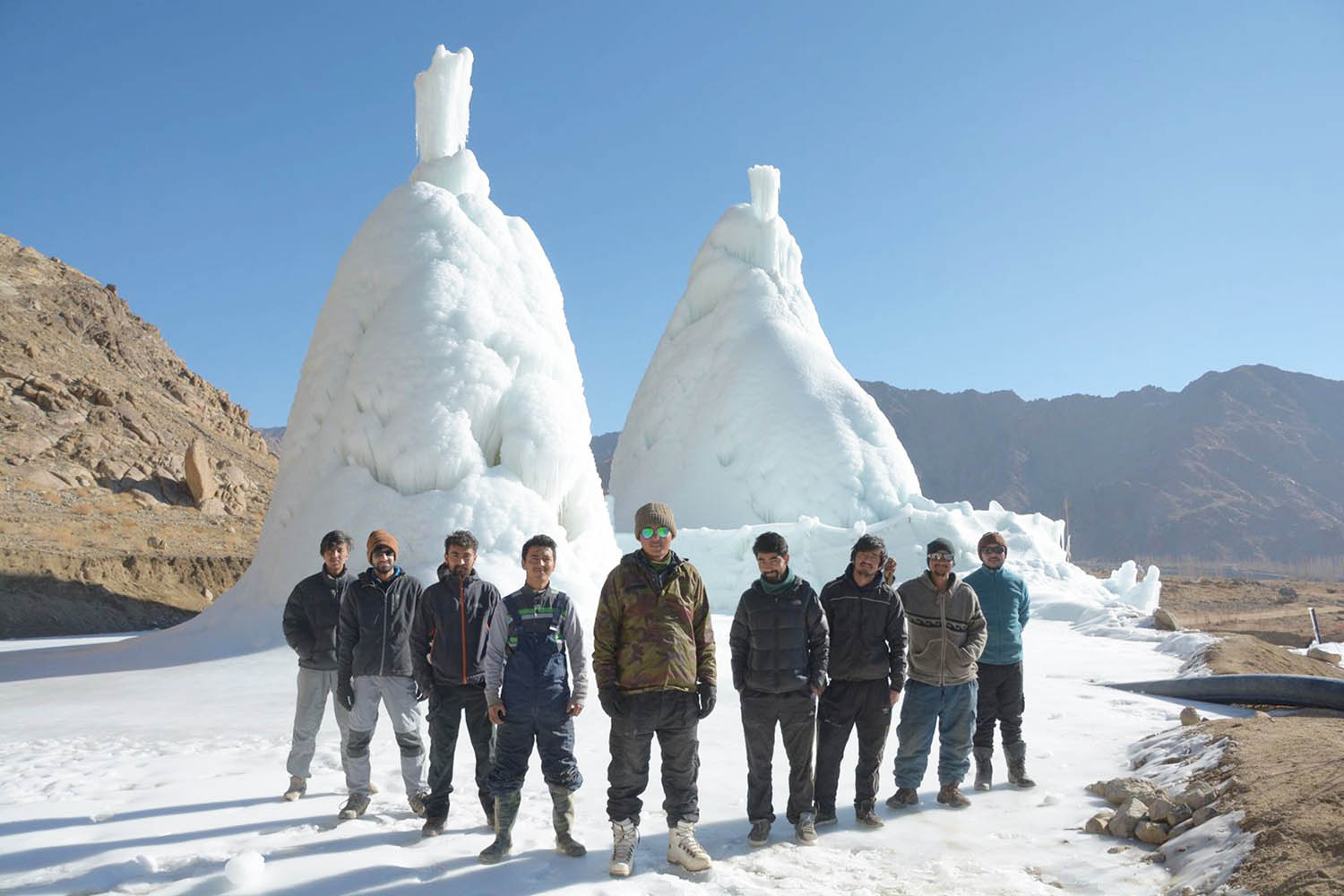
Conquering Droughts Part 3: Artificial Glaciers 🧊🏔 All over the world, humans depend on meltwater in summer to sustain agriculture or ensure river transportation. For instance, the Rhine in central Europe consisted of 20% glacier meltwater during the extreme drought in 2003 [1]. Climate change diminishes meltwater quantities in summer. With warmer winters, less precipitation…
-
🚀 New Miniseries launched on EGU Hydrological Science Blog 🚀
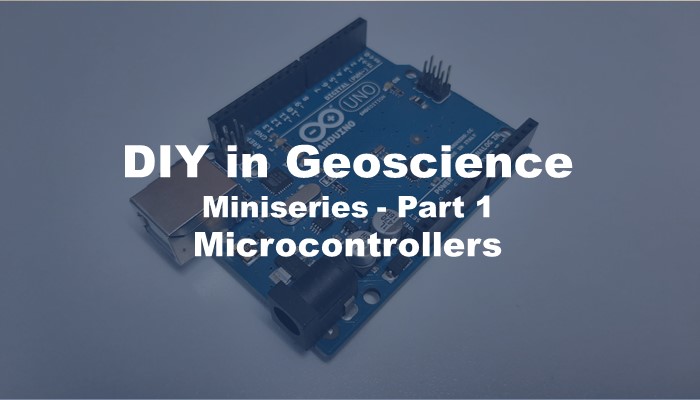
🚀 Today marks the launch of my new miniseries on DIY in Geosciences on the European Geosciences Union (EGU) Hydrological Science Blog! 🌍🛠️ As geoscientists, we rely on diverse data—from soil moisture to water levels, snow height, radiation, precipitation, and beyond. Yet, obtaining this data can be a challenge due to the unavailability or high…
-
EGU2023 OSPP Award

I am happy to share that my Poster & Presentation at EGU23 are awarded with an “Outstanding Student and PhD candidate Presentation” award 🖼🏆 Thanks to all the people who came to my poster and sparked interesting and insightful discussions! If you want to check out my poster on “Detecting the occurrence of preferential flow…
-
EGU24 Session on failed models and negative results

“Trial and error” is one of the fundamental principles of science, yet the errors are seldom published. Failed experiments, including negative results, statistically insignificant data, and imperfect modelling, are all natural parts of the scientific journey. However, publication bias, the tendency to only publish positive outcomes, leaves out a significant part of the story. At…
-
🌾Protecting Harvests Part 4 – Breeding Drought Resistant Crops 🌽🌾
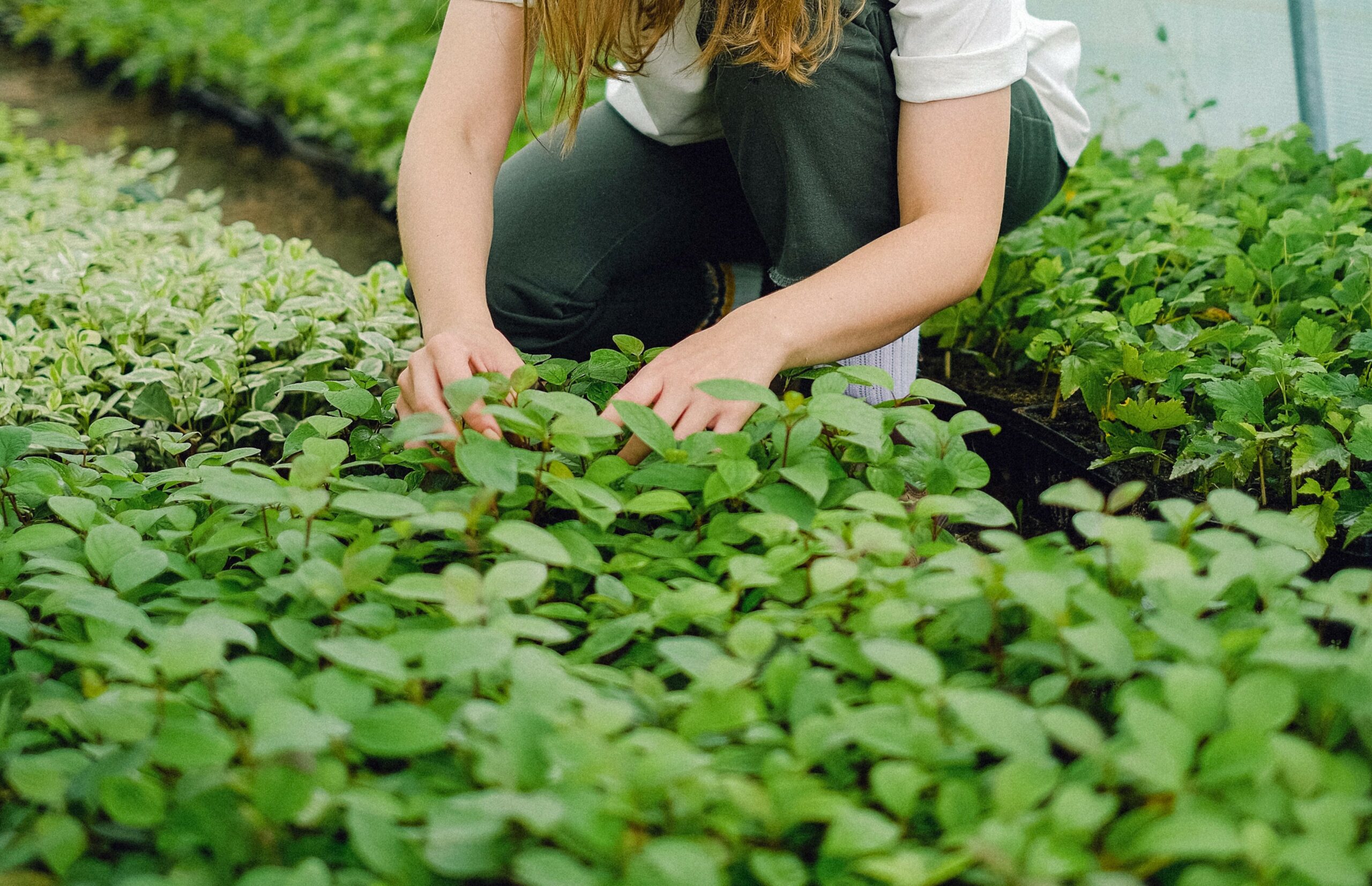
Droughts threaten our food production! In the last decade, crop failure due to drought lead to losses of 32 Billion USD in low income countries alone (FAO, https://www.fao.org/resources/digital-reports/disasters-in-agriculture/en/). Climate change will exercabate this crisis, since droughts will become more frequent. We need to adapt farming to ensure harvests and protect global food supply. Besides using…
-
🌊Flood Resilience Part 3: Water Squares 💧🏙
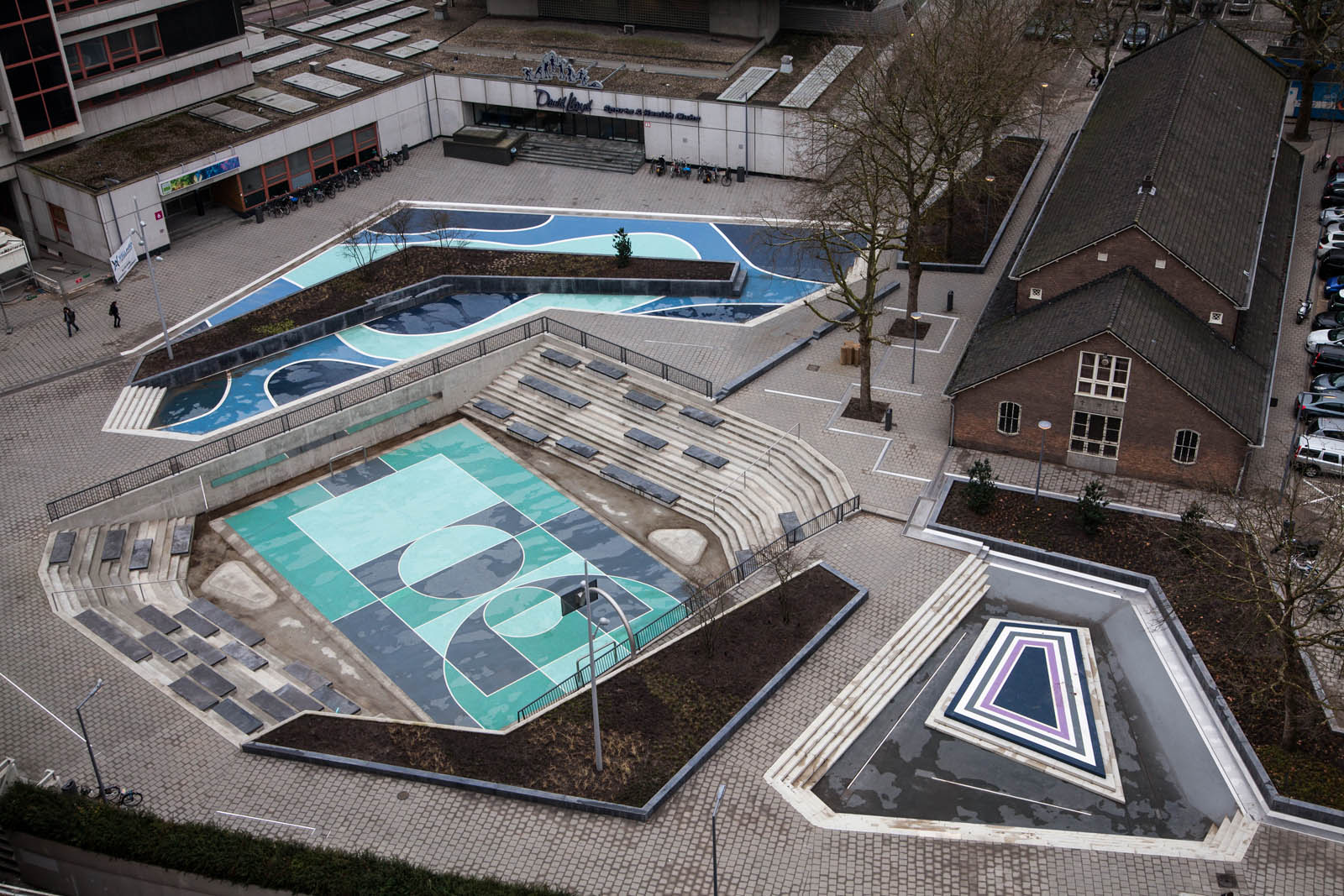
Watersquares help us adapt our citys to climate change impacts. Climate change causes stronger and more frequent heavy rain. These rainfalls can cause severe floodings in sealed urban areas. Therefore, retaining stormwater in cities becomes increasingly necessary. However, space is scarce and there are already conflicts of use in public city squares. An innovative method…
-
EUCOR Trinational Summer School

Complex societal challenges like the adaptation to climate change can’t be solved by one scientific discipline alone! Last week I participated in the trinational EUCOR Summer School on transdisciplinary research for climate adaptation. With experts from multiple countries and diverse research areas, us participants got a multitude of new perspectives and tools for facilitating change.…